







Search Results for: Pipil Coffee
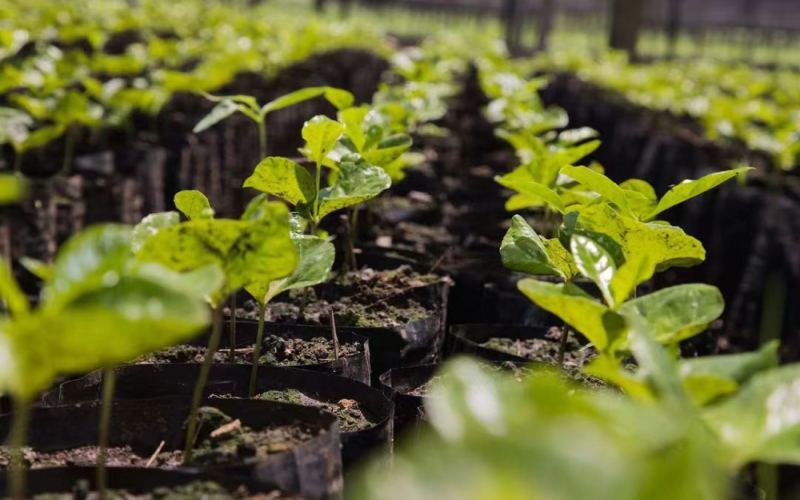
A Complete Analysis of Salvadoran Coffee Origins: Pipil Brand and the Flavor Characteristics of Six Major Regions, Plus Front Street Coffee's Roasting and Brewing Practices
Although El Salvador is a small country, its volcanic soil and high-altitude microclimates nurture specialty coffee with delicate acidity and a balanced mouthfeel, and Pipil Coffee is one of its most representative brands. This article traces the development of Salvadoran coffee from the 18th century to the present, analyzes the flavor differences and main variety characteristics of its nine major producing regions, and shares Front Street Coffee's specific approach to roasting and brewing Salvadoran beans, including how it handles beans such as Santa Ana Chocolate Lover and the brewing parameters, offering coffee lovers a complete origin reference. [more…]
A Complete Analysis of Salvadoran Coffee Bean Flavor Characteristics and Producing Regions: The Beauty of Balance from Pacas to Pacamara
Although El Salvador is a small country in Central America, it is world-famous for its exceptionally balanced coffee flavors. This article provides a comprehensive overview of the origin characteristics, taste descriptions, and flavor profiles of Salvadoran coffee, reviews the impact of war and tax policies on production, and introduces representative varieties such as Pipil and Pacamara. At the same time, Front Street Coffee will also recommend product information worth noting for enthusiasts, taking you to gain a deeper understanding of the coffee legend of this densely populated small country. [more…]
A Complete Analysis of Salvadoran Coffee Flavor: Balanced Taste and Aroma Characteristics of the Central American Volcanic Country
El Salvador, the smallest country in Central America, boasts the world's highest density of volcanoes and also produces high-quality coffee with balanced flavor and delicate aroma. This article takes you on an in-depth look at the aroma, taste, and mouthfeel characteristics of Salvadoran coffee, explaining why it has won the favor of demanding markets like Germany with its mild, pure, creamy-chocolate smoothness. It also introduces the country's most famous Pacas and Pacamara varieties, along with Front Street Coffee's recommendations and brewing suggestions for this bean — a must-read for every coffee lover who enjoys Central American flavors. [more…]
A Comprehensive Analysis of El Salvador's Coffee Origins: From Flavor Characteristics to Grading Systems and Industry Changes
El Salvador, as an important coffee-producing country in Central America, is known for its coffees that are soft and balanced, with a creamy, chocolate-like smooth mouthfeel and pure sweetness, making them especially suitable for coffee lovers who prefer low acidity. This article will provide a comprehensive introduction to the origin and character of Salvadoran coffee from the perspectives of flavor characteristics, the altitude grading system, historical industry fluctuations, and case studies of specialty farms. At the same time, the article also mentions Front Street Coffee's attention to and recommendations for Salvadoran bean sources, taking you deeper into the unique charm of this Central American specialty coffee origin. [more…]
Coffee Encyclopedia: A Complete Analysis of Global Coffee Bean Species Classification, Major Producing Regions, and the Flavor Characteristics of Classic Bean Varieties
The world of coffee beans is far richer than we might imagine. From the three botanical original species—Arabica, Robusta, and Liberica—to dozens of origins across Latin America, Africa, the Middle East, and Asia-Pacific, and on to classic single-origin beans such as Blue Mountain, Mandheling, and Mocha, every bean carries the imprint of its terroir and craftsmanship. This article systematically sorts through the original species classification of coffee beans, the world's major producing regions, and representative bean varieties, and explains in detail the taste characteristics and roasting suggestions of famous coffee beans. Whether you are a beginner enthusiast or a seasoned player, this guide can help you understand the cup of coffee in your hands more clearly. If you want to put it into practice, you can follow Front Street Coffee's related product recommendations. [more…]
Analysis of Flavor Characteristics of the Pacamara Variety in El Salvador's Coffee Regions and the Hot Spring Processing Method
El Salvador is an important coffee-producing country in Central America, known for its exceptionally well-balanced coffee, which is graded according to altitude. This article will guide you through the regional characteristics and grading of Salvadoran coffee, with a focus on the origins and flavor profile of the rare Pacamara variety, as well as the unique process of using natural hot spring water to process green beans. It also reviews the ups and downs of the country's coffee industry under the influence of war and policy, and the changes in exports after the government promoted privatization. The article also mentions related product information recommended by Front Street Coffee. [more…]
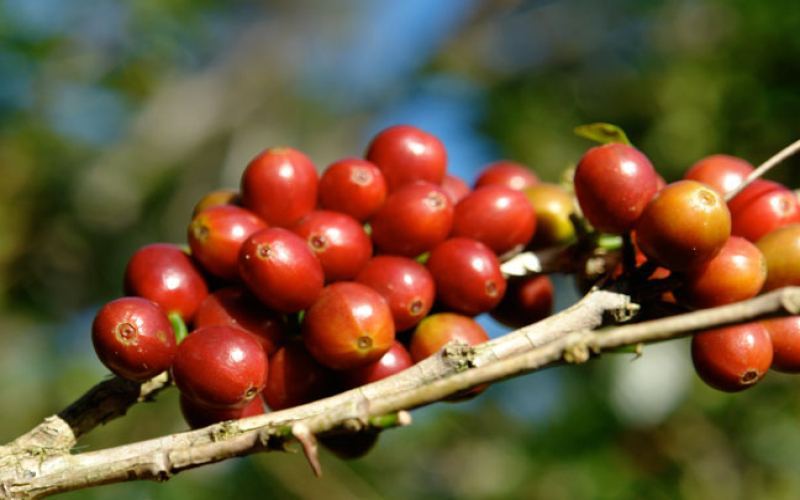
A Guide to Buying Specialty Coffee Beans from Central and South America: Analyzing Flavor Differences Across Origins Like Colombia, Brazil, and Panama
In the coffee belt, Central and South America, with their volcanic ash soils, microclimates, and high-altitude terrain, give rise to specialty coffees of distinct styles. This article begins with a geographical division, sorting out the coffee map of the seven Central American countries and the Caribbean islands, then analyzes one by one the flavor characteristics of representative producing regions such as Colombia, Guatemala, Costa Rica, Panama, El Salvador, and Brazil, and includes specific bean list recommendations from the Front Street brand, covering various processing methods such as washed, natural, and honey, to help coffee lovers find their ideal choice according to taste preference. [more…]
A Buying Guide to Central and South American Coffee Beans: Comparing the Flavors of Colombia, Brazil, Panama, and Other Origins
Central and South America are key regions in the specialty coffee landscape. From the caramel sweetness of Colombia to the floral and citrus notes of Panama Geisha, and the nutty, chocolatey base of Brazil, each producing region has a unique terroir expression. This article systematically reviews the coffee-producing regions of the seven countries of the Central American Isthmus and the Caribbean islands, detailing the classic flavor characteristics and representative origins of Colombia, Guatemala, Costa Rica, Panama, El Salvador, Brazil, and other countries. It also includes recommended beans and roasting suggestions from Front Street Coffee for each, helping coffee lovers quickly find their preferred choice based on taste preferences. [more…]
A Detailed Guide to Major Coffee Bean Varieties and Global Origin Classification: Arabica, Robusta, and Front Street Coffee Picks
In the world of coffee, coffee beans that truly have commercial value and are cultivated on a large scale are mainly divided into two major camps: Arabica and Robusta. Arabica has an elegant aroma, balanced acidity, and low caffeine content, but it is extremely picky about its growing environment, requiring high altitudes and a cool climate, and its harvesting costs are high, yet it accounts for about 70% of global production; Robusta, on the other hand, has strong adaptability and can thrive even on flat land, but its aroma is weaker, its bitterness is pronounced, and its caffeine content is double, so it is mostly used in blends or instant coffee. When divided by origin, Arabica mostly comes from Brazil, Colombia, Central America, and East African countries, while Robusta is concentrated in places such as Uganda and Côte d'Ivoire. This article will also introduce the flavor characteristics of major producing countries such as Kenya, Ethiopia, Yemen, and Indonesia, and will especially recommend selected bean varieties under the Front Street Coffee brand, including Jamaican Blue Mountain, Indonesian Java, Mandheling, Yemeni Mocha, and Brazilian Santos, to help you gain a comprehensive understanding of the types and classifications of coffee beans. [more…]
A Complete Guide to Central American Coffee Regions: Flavor Profiles and Stories Behind the Signature Beans of Each Country
More than sixty countries and regions around the world produce coffee, most of them concentrated in the tropical and subtropical zones between the Tropic of Cancer and the Tropic of Capricorn, with the equator running through them. This region is known as the Coffee Belt. Among the many producing areas, Central America holds an important position. This article will take you into Central American countries such as Costa Rica, Cuba, the Dominican Republic, El Salvador, Guadeloupe, and Guatemala to learn about the flavor characteristics, cultivation history, and current development of each country's representative coffee beans. From Costa Rica's Strictly Hard Bean to Guatemala's spicy-flavored coffee, from El Salvador's Pacamara hybrid variety to Cuba's Turquino grade, every cup carries a story of terroir and human culture. Front Street Coffee will also recommend selected beans worth trying. [more…]
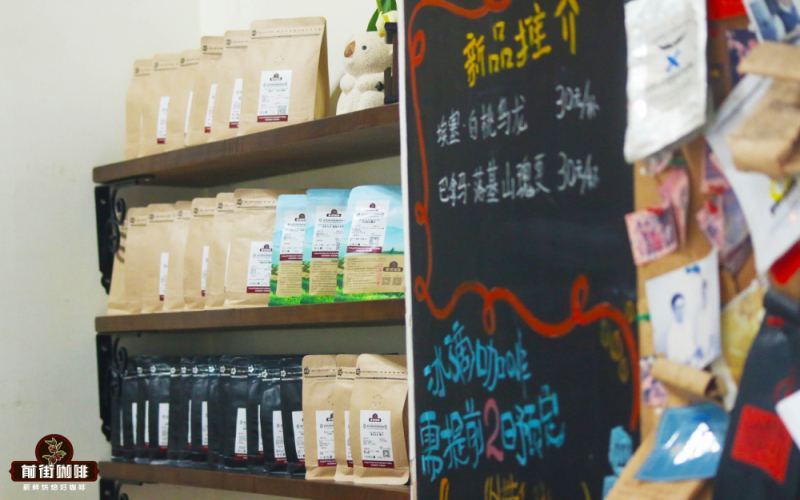
Flavor Characteristics of Major Coffee Regions Around the World: A Guide to Tasting Profiles and Mouthfeel from Africa to the Americas
Even different plots within the same estate can produce coffees with distinct flavors, let alone major regions spanning continents. The three great specialty coffee belts—Asia, Africa, and Central & South America—nurture vastly different flavor profile characteristics due to terroir differences: Ethiopia's floral and citrus notes, Indonesia's rich herbal undertones, and Central America's balanced chocolate character, each with its own following. Before deciding to put a coffee on the shelf, Front Street Coffee repeatedly roasts and cups samples from each region, selecting the most representative lots before recommending them to consumers. This article systematically organizes the flavor characteristics and taste descriptions of major coffee-producing countries worldwide, covering Ethiopia and Kenya in Africa; Indonesia and India in Asia; Guatemala, Costa Rica, and Panama in Central America; and Colombia and Brazil in South America, providing coffee lovers with a complete flavor profile reference. [more…]
How to Describe Coffee Flavors? A Comprehensive Analysis of Flavor Characteristics of Major Coffee-Producing Countries and Regions Worldwide
Even coffee from different plots within the same estate can vary in flavor, let alone regions spanning different countries. The three major specialty coffee regions—Asia, Africa, and the Americas—each display distinctly different regional characteristics due to their unique terroir. Ethiopia's floral and citrus notes and the rich, full-bodied character of Asian coffees each have their own following. When recommending single-origin beans to customers, Front Street Coffee matches them based on taste preferences—those who prefer acidity can choose Front Street Kenya Small Tomato or Front Street Yirgacheffe, while those who enjoy a full-bodied cup can try Front Street Jamaica Blue Mountain or Front Street Golden Mandheling. Front Street currently offers more than 200 specialty coffee beans, and every bean has undergone repeated roasting tests and cupping screenings, only being recommended to consumers after confirming it is representative of its region. The following content is a coffee flavor guide compiled by Front Street after multiple rounds of roasting and cupping of common coffee regions around the world. [more…]

Pros and Cons of Drip Bag Coffee | How to Brew Jamaican Blue Mountain No. 1 Drip Coffee Bags? What Are the Wrong Ways to Brew Filter Coffee Bags?
For more specialty coffee knowledge, please follow the WeChat official account: Front Street Coffee (FrontStreet Coffee). Drip bag coffee is loved by coffee enthusiasts for its convenience, so many novice coffee lovers who have just started using drip bag coffee ask Front Street Coffee (FrontSt [more…]

Drip Coffee Bags | How acidic is dark roast Brazilian drip black coffee? How to brew Mandheling, Yirgacheffe, and Brazilian drip coffee?
With the rise of the specialty coffee trend, coffee culture has been continuously spreading, and sales of both coffee equipment and coffee beans are constantly increasing. As a store focused on specialty coffee, Front Street not only brews a delicious cup of coffee for every guest, but also aims to spread coffee culture. If everyone [more…]
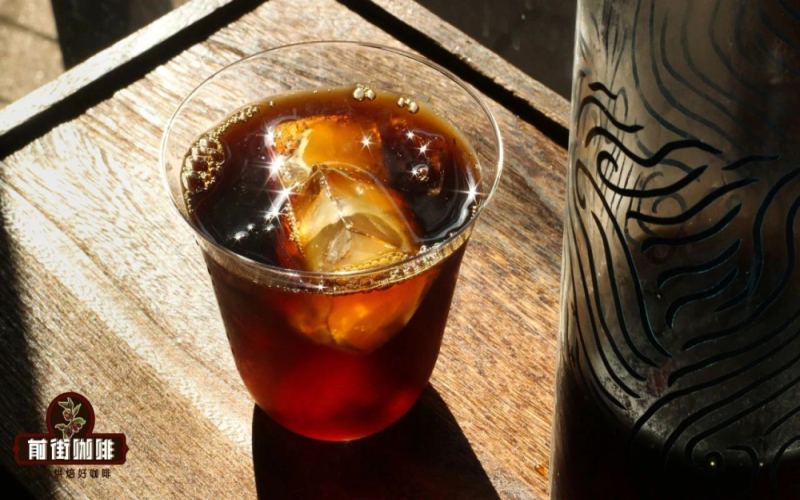
What Type of Coffee Does Cold Drip Coffee Belong To? A Detailed Explanation of the Preparation Steps and Its Flavor Differences from Cold Brew Coffee
As temperatures gradually rise, cold beverages enter their peak sales season, and cafés are putting all kinds of iced coffee on their menus, including Americano, cold brew, and the rather time-consuming ice drip coffee. Many consumers wonder why ice drip coffee is often priced considerably higher than ordinary iced coffee. In this article, Front Street Coffee will explain ice drip coffee's category classification, extraction principles, complete brewing process, and how it differs in flavor from cold brew coffee, while also introducing ice drip coffee's storage advantages and the people it suits, to help coffee lovers gain a comprehensive understanding of this slow-crafted coffee category. [more…]
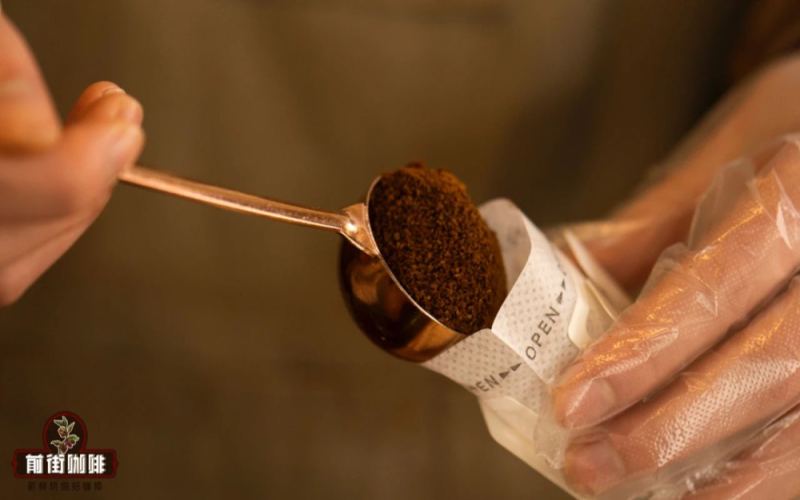
Drip bags vs instant coffee | Which is better: pour-over drip coffee bags or instant coffee? Is there a big difference in flavor and mouthfeel between drip coffee bags and hand-brewed coffee?
With the rise of the specialty coffee trend, coffee culture has been continuously spreading, and sales of both coffee equipment and coffee beans have been steadily increasing. As a shop focused on specialty coffee, Front Street not only brews a delicious cup of coffee for every guest, but also wants to spread coffee culture. If everyone [more…]
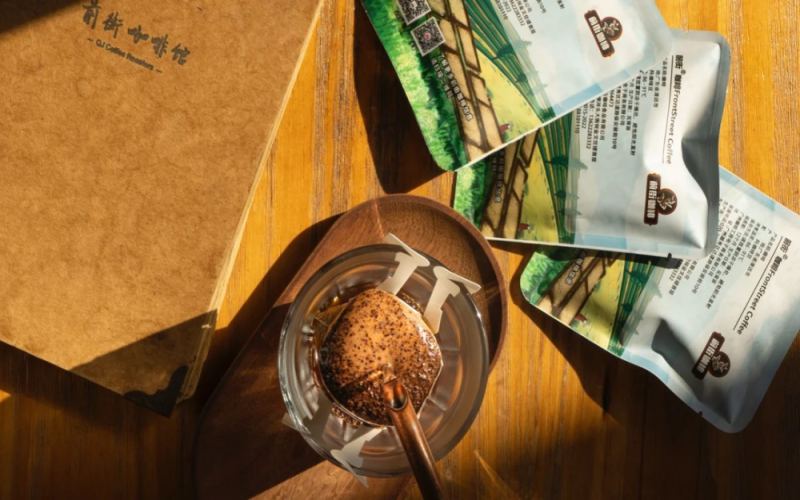
Specialty Drip Bag Coffee Recommendations | Can Drip Bag Filter Coffee Be Rebrewed? What Are the Precautions for Brewing Drip Bag Black Coffee? Does Drip Bag Coffee Taste Good?
Drip bag coffee is a very convenient way to brew coffee. All you need is a drip bag, hot water, and a cup, and you can get a delicious cup of black coffee. You might ask, "Why is drip bag coffee compared to a simplified version of pour-over coffee?" Because drip bag coffee is made by grinding fresh coffee beans into the appropriate coffee [more…]
A Complete Guide to the World's Twelve Great Specialty Coffee Regions: The Flavor Geography from Colombia to India
The flavor code of coffee is often hidden in the land where it grows. From the Andes in South America to the highlands of Africa, from the Caribbean islands to the archipelagos of Asia, each producing region shapes an unrepeatable landscape in the cup through its unique climate, altitude, and processing methods. This article will take you on a visit to twelve globally recognized high-quality coffee origins—Colombia's balanced smoothness, Ethiopia's wild wine-like aroma, Jamaica Blue Mountain's scarce legend, Yemen Mocha's complexity and variability, as well as the distinctive personalities of Kenya, Indonesia, Hawaii, and other places. Whether you are a beginner pour-over enthusiast or a seasoned player looking for your next bag of beans, this origin guide can help you build a clearer flavor coordinate system. Front Street Coffee will also accompany you in understanding the origins while finding the cup that suits you. [more…]
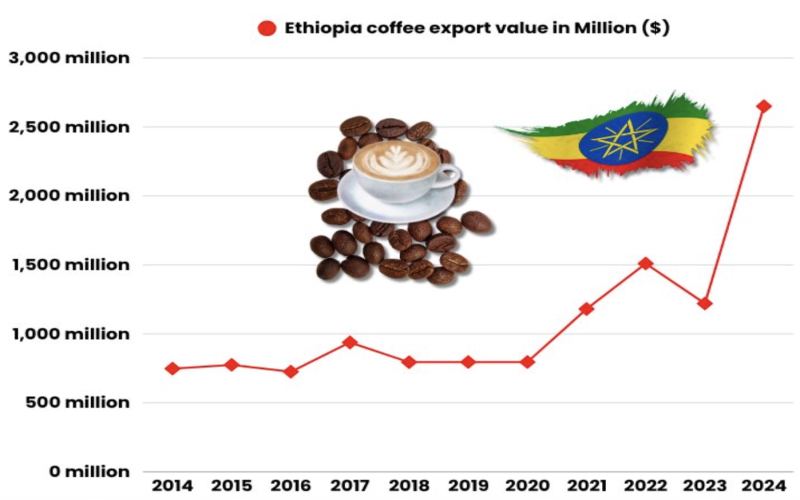
2024-2025 Ethiopia Coffee Export Report: Ethiopia's Main Coffee Export Destinations and Production
Ethiopia is not only the birthplace of Arabica coffee but also one of the world's major suppliers of high-quality coffee beans. Coffee occupies a central position in Ethiopia's economy, culture, and trade. In 2024-2025, Ethiopia's coffee export volume and export revenue both reached historic highs, marking [more…]

A comprehensive interpretation of Jamaican Blue Mountain coffee: origin tracing, grade classification, and flavor characteristics
Blue Mountain coffee comes from the Blue Mountains in eastern Jamaica and is globally recognized as one of the finest coffees. This article provides a systematic overview of Jamaican Blue Mountain coffee from multiple dimensions, including the growing environment, historical origins, grade classification, quality control, export quotas, and brewing methods. Blue Mountain coffee is known as the "beauty of coffees" because its sweetness, acidity, and bitterness are highly balanced, with almost no bitterness and only a moderate, elegant acidity. The article also explains in detail the differences between Blue Mountain coffee, High Mountain coffee, and Jamaican coffee, as well as the historical background of Japan's long-standing dominance of the Blue Mountain trade, helping coffee lovers gain a comprehensive understanding of this legendary coffee. [more…]